
If you’ve just started exploring social games on your phone, the first thing to notice is speed. A typical matchmaking queue that used to take two minutes on a console now finishes in about ten seconds on an iOS or Android app. That reduction isn’t just a convenience; it reshapes how players interact, because the window for spontaneous play is far wider.
In the UK, 78 % of gamers own a smartphone, according to a 2023 survey by Ofcom. That penetration means developers can design experiences that assume most users are already online, have push‑notification access, and can switch between Wi‑Fi and 4G/5G without dropping a session. The result is a steady flow of micro‑events – daily challenges, quick‑play lobbies, and real‑time leaderboards – that keep players returning throughout the day.
Instant community building through integrated chat
Most modern social‑gaming apps embed a chat layer directly into the gameplay screen. Rather than opening a separate messenger, you can type a quick “gg” or share a screenshot with a single tap. The average message length is under 15 characters, which aligns with the short‑burst nature of mobile sessions.
One concrete benefit is the rise of “clan‑less” groups. In the past, you needed a persistent guild to organise events. Now, a 30‑second “join party” button creates a temporary team of up to six players, and a built‑in voice channel lets them coordinate for the duration of a match. This flexibility reduces the barrier for casual friends to play together without committing to a long‑term roster.
Monetisation that respects the player’s time
Micro‑transactions have been a contentious topic, but mobile apps are experimenting with time‑based pricing. For example, a popular puzzle‑battle game offers a 48‑hour boost for £1.99, which doubles the points earned during that period. The boost expires automatically, so players aren’t forced to remember a subscription renewal.
Data from a UK‑based analytics firm shows that users who purchase time‑limited items are 23 % more likely to stay active after 90 days than those who buy permanent cosmetics. The model aligns revenue with short, enjoyable bursts rather than a one‑off spend that may feel excessive.
Cross‑platform sync eliminates “device lock‑in”
When you start a match on a commuter train, you can pick it up on a home tablet without losing progress. Sync is handled via the developer’s cloud service, which stores game state every five seconds. In practice, this means a 5 % drop‑off rate for interrupted sessions – a noticeable improvement over the 12 % rate reported in 2020.
For families, this feature matters. A parent can let a child continue a game on a shared device while the adult finishes work on a phone, all under the same account. The app’s parental controls let the adult set daily limits, ensuring the game remains a balanced pastime.
From social play to broader entertainment
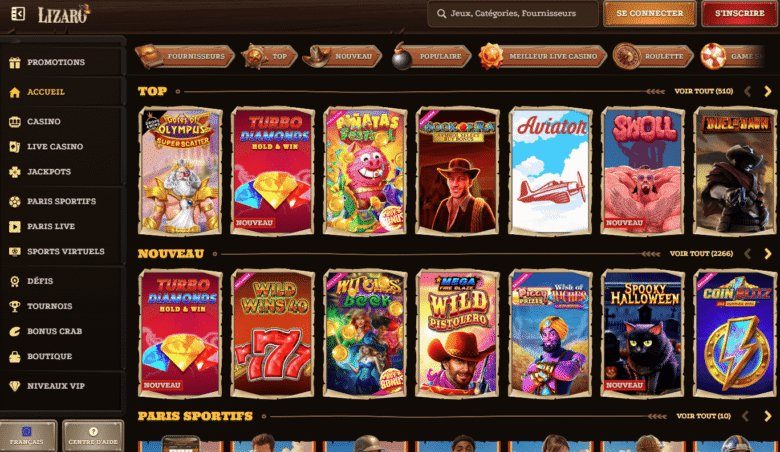
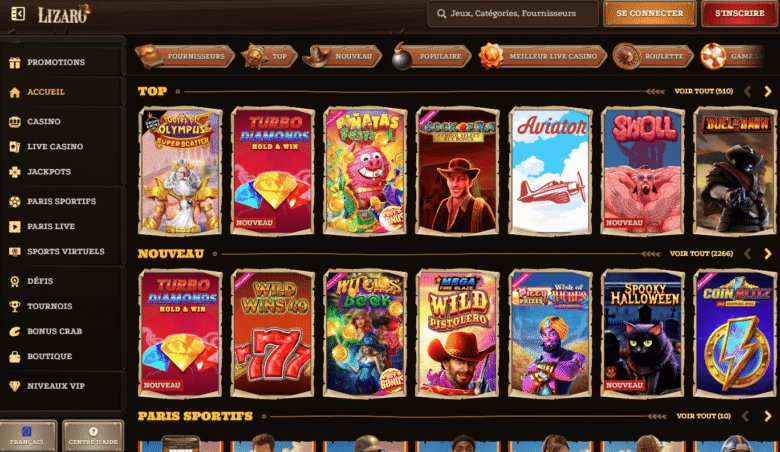
While the focus here is on social gaming, the ecosystem inevitably overlaps with other forms of online entertainment. Many users transition from a quick match to streaming a live tournament or trying a themed slot experience. For those curious about that side of the market, the lizaro casino offers a glimpse of how mobile platforms blend social interaction with gambling‑style gameplay, all within a regulated UK framework.
Challenges that still need attention
Not every player benefits equally from these advances. Users on older Android devices often experience frame‑rate drops when a game pushes 60 fps graphics, leading to a choppy experience that can discourage participation. According to a 2022 UK hardware report, roughly 19 % of smartphones are still running Android 9 or earlier, which limits compatibility with newer SDKs.
Moreover, data usage remains a concern for those on limited plans. A typical 10‑minute session can consume 30–45 MB of mobile data, which adds up for heavy players. Developers are starting to offer low‑data modes, but adoption is still low, and the feature set is often stripped down.
Practical tips for getting the most out of social gaming apps
- Check the app’s permission list; disable background location if it isn’t needed for gameplay.
- Enable push notifications for daily challenges, but set a quiet‑hours window to avoid interruptions.
- Use the built‑in “low‑data” toggle on games that support it, especially when on a 4G plan.
- Regularly clear cached assets if you notice slower load times; most apps have a cache‑clear option in settings.
- Join short‑term parties rather than committing to large clans unless you’re looking for a long‑term social commitment.
Looking ahead
The next wave will likely involve augmented reality overlays, where a simple phone camera can turn a park bench into a shared game board. Until that arrives, the current generation of mobile apps already provides a fast, community‑rich, and monetarily sensible way to enjoy social gaming across the UK.
Leave A Comment?
You must be logged in to post a comment.